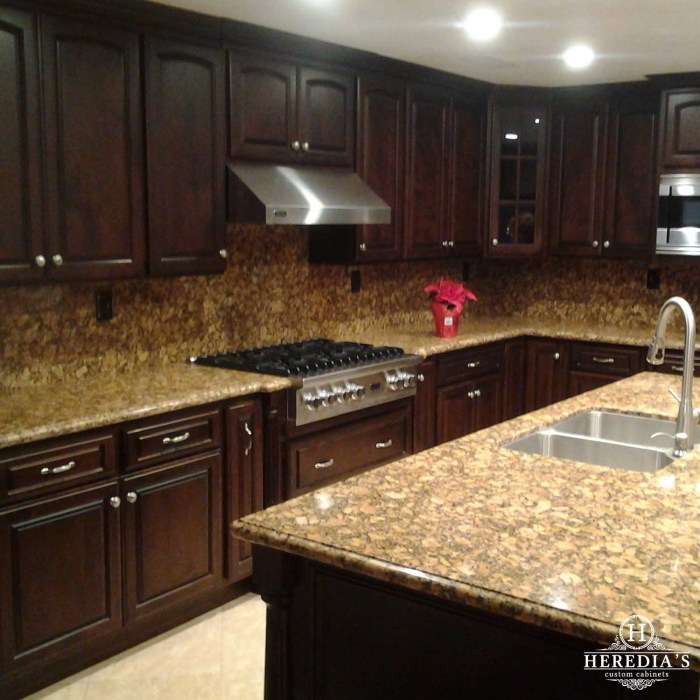
Custom kitchen cabinets are more than just storage solutions; they represent a personalized touch to your home’s heart. With the right design and materials, these cabinets can elevate your kitchen’s aesthetic and functionality while reflecting your unique style.
From various wood types to innovative features, custom cabinets offer countless options that pre-made alternatives simply cannot match. The significance of these cabinets in home design lies not only in their appearance but also in their ability to enhance overall home value and meet the specific needs of your household.
Custom Kitchen Cabinets Overview
Custom kitchen cabinets play a pivotal role in home design, serving both functional and aesthetic purposes. They are tailored to fit the unique space and style of your kitchen, allowing homeowners to maximize usability while enhancing visual appeal. The significance of custom cabinets lies in their ability to reflect personal taste while seamlessly integrating into the overall design of the home.When it comes to materials, custom kitchen cabinets can be crafted from a variety of options including hardwoods, plywood, and engineered wood.
Each material offers its own set of benefits in terms of durability and appearance. The choice of materials not only influences the cabinet’s look but also its longevity and maintenance requirements. Choosing custom cabinets over pre-made options offers several advantages. Custom cabinets are designed specifically for your kitchen, ensuring optimal use of space. Furthermore, they provide greater flexibility in terms of design and style, which allows for a more personalized kitchen environment.
Home Improvement and Custom Kitchen Cabinets
Custom kitchen cabinets significantly enhance home improvement projects by improving the overall functionality and aesthetic of the kitchen. When homeowners invest in custom cabinetry, they not only upgrade their kitchen but also contribute to the home’s overall value. Real estate experts often note that a beautifully designed kitchen with custom cabinets can elevate a home’s market appeal, making it an attractive feature for potential buyers.Several remodeling trends currently incorporate custom cabinets, including open shelving, minimalist designs, and mixed materials.
These trends reflect a shift towards personalization and practicality in kitchen design, where homeowners seek to balance style with efficient use of space.
Designing Custom Kitchen Cabinets
Creating a unique kitchen cabinet layout begins with understanding the space and how it will be used. Design tips include considering the workflow, ensuring accessibility, and choosing a layout that enhances movement within the kitchen. Color schemes and finishes play a crucial role in the design of custom cabinets. Popular choices include soft pastels for a contemporary look, rich woods for a traditional feel, or bold colors for a striking statement.
Common styles for custom cabinets include:
- Modern: Features sleek lines and minimal ornamentation.
- Traditional: Showcases detailed moldings and rich woods.
- Rustic: Emphasizes natural materials and a cozy feel.
- Transitional: Blends modern and traditional elements for versatility.
Custom Cabinet Features
Innovative features can significantly enhance the functionality of custom cabinets. Examples include pull-out shelves, hidden compartments, and soft-close hinges that add convenience and luxury to the kitchen experience. Storage solutions within custom cabinetry can be tailored to suit specific needs. Consider incorporating features like lazy Susans, pull-out pantry shelves, or built-in dividers to maximize space and organization.Technology can also be integrated into custom kitchen cabinets, with options such as LED lighting, charging stations, and smart storage solutions that respond to your needs.
Choosing the Right Appliances
Kitchen appliance styles should harmonize with custom cabinets. Whether opting for stainless steel for a modern look or retro finishes for a vintage vibe, selecting the right appliances enhances the overall kitchen design.Energy-efficient appliances are increasingly popular among homeowners. They not only reduce utility bills but also align with sustainable living practices. Tips for integrating appliances seamlessly into custom cabinetry include:
- Choosing built-in models that fit flush with cabinets.
- Using cabinet panels to create a cohesive look.
- Ensuring proper ventilation to maintain appliance performance.
Home Improvement Cabinets
There are different types of cabinets available for home improvement, including stock cabinets, semi-custom cabinets, and fully custom cabinets. Each type offers varying levels of customization and price points.Custom kitchen cabinets play a crucial role in overall kitchen functionality by providing tailored storage solutions and maximizing available space. They allow for creative layouts and features that stock cabinets simply cannot offer.Here’s a comparison of custom cabinets with stock cabinets based on features and price:
| Feature | Custom Cabinets | Stock Cabinets |
|---|---|---|
| Customization | Fully customizable to fit specific needs | Limited options for sizes and finishes |
| Price | Higher price range based on materials and design | More budget-friendly but less versatile |
| Quality | High-quality craftsmanship and durable materials | Variable quality, often lower than custom |
Cleaning Tips for Custom Cabinets
Maintaining custom kitchen cabinets requires effective cleaning methods tailored to the materials used. For wooden cabinets, gentle cleaning solutions and soft cloths are ideal to prevent damage, while laminate surfaces can tolerate stronger cleaners.The best cleaning products for various cabinet materials include:
- For wood: Mild soap and water or specific wood cleaners.
- For laminate: All-purpose cleaners suitable for non-abrasive surfaces.
- For painted surfaces: Soft cloths with a vinegar-water solution.
Tools and techniques for cabinet maintenance include:
- Microfiber cloths to avoid scratching.
- Soft brushes for cleaning intricate designs.
- Regular waxing or conditioning for wooden cabinets.
Feng Shui and Custom Kitchen Design
Custom cabinets can enhance the principles of Feng Shui in the kitchen by promoting a balanced and harmonious environment. Strategic cabinet placement can facilitate positive energy flow throughout the space.Cabinet placement strategies include:
- Positioning cabinets to avoid clutter and obstruction.
- Maintaining open spaces around the cooking area for flow.
- Arranging cabinets to reflect symmetry and balance.
Color schemes that align with Feng Shui principles often include earthy tones and soft hues which create a soothing atmosphere conducive to cooking and gathering.
Interior Design Integration
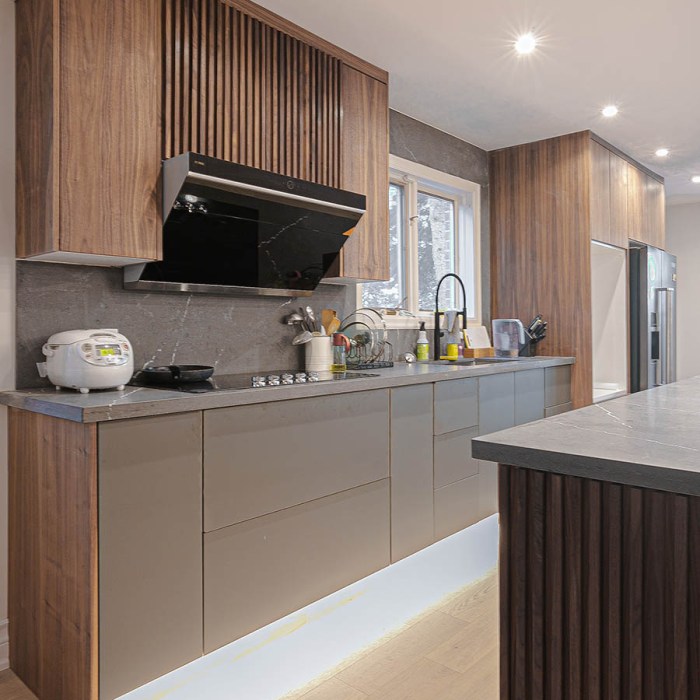
Integrating custom kitchen cabinets into overall interior design themes can create a cohesive and harmonious look throughout the home. Cohesive design elements that work with custom cabinetry include matching hardware, complementary countertops, and flooring choices that enhance the kitchen’s style.Color coordination between cabinets and other furniture is essential. Consider using a consistent palette that flows from the kitchen to adjoining spaces for a seamless design transition.
Remodeling Tips for Custom Cabinets
Installing custom kitchen cabinets involves a series of steps that ensure proper fit and function. Start by measuring your kitchen space accurately, designing a layout that maximizes storage, and selecting materials that resonate with your style.Common mistakes to avoid when remodeling with custom cabinets include:
- Underestimating space needed for cabinet doors and drawers.
- Overlooking the necessity of ventilation space for appliances.
- Failing to plan for adequate lighting in cabinet areas.
A checklist for planning a custom cabinet remodel should include:
- Confirming measurements and layout.
- Selecting materials and finishes.
- Hiring reputable contractors.
Outdoor Kitchen Cabinets
Custom cabinetry is crucial in outdoor kitchen designs, providing both functionality and style. The right cabinets can withstand the elements while enhancing the outdoor cooking experience.Materials suitable for outdoor cabinets include:
- Stainless steel for durability and modern appeal.
- High-density polyethylene for weather resistance.
- Natural stone for a rustic, elegant look.
Design tips for functional outdoor kitchen cabinets involve ensuring easy access to cooking utensils, incorporating ample storage for outdoor dining essentials, and selecting finishes that can endure outdoor conditions.
Budgeting for Custom Cabinets
Identifying cost factors associated with custom kitchen cabinets is essential for effective budgeting. Factors include materials, design complexity, and labor costs.Strategies for budgeting effectively for a custom cabinet project involve setting a realistic budget, prioritizing features, and exploring financing options if needed. A breakdown of potential expenses in a custom kitchen renovation might include:
- Cabinet materials and construction fees.
- Installation and labor costs.
- Additional features such as hardware and finishes.
Home Inspections and Custom Cabinets
Custom cabinets can significantly affect home inspections. Inspectors often evaluate the quality and craftsmanship of cabinetry, which can influence a buyer’s perception of the overall home value.Key features inspectors typically look for in custom cabinetry include:
- Durability of materials used.
- Quality of installation and finish.
- Functional design that meets modern standards.
The importance of quality and craftsmanship in custom cabinets cannot be understated, as these factors can have a direct impact on the outcome of home inspections and subsequent appraisals.
Storage Solutions with Custom Cabinets
Innovative storage solutions can be effectively integrated into custom cabinets, optimizing space and functionality. Examples of accessories that enhance storage include:
- Pull-out racks for spices or utensils.
- Drawer dividers for organizing cutlery and tools.
- Built-in bins for recycling and waste management.
The advantages of vertical storage in custom designs allow homeowners to make the most of every inch, especially in smaller kitchens where maximizing space is essential.
Future Trends in Custom Kitchen Cabinets
Emerging trends in custom kitchen cabinetry design and materials reflect advancements in technology and sustainability. Innovations in materials focus on eco-friendly options, while design trends lean towards minimalism and functionality.Sustainable practices in custom cabinet manufacturing include using reclaimed wood and low-VOC finishes that promote environmental responsibility.Predictions for the future of custom kitchen cabinets in home improvement suggest a continued focus on personalization, smart technology integration, and the adaptation of multi-functional spaces that cater to modern lifestyles.
Conclusion
In conclusion, investing in custom kitchen cabinets is a decision that can transform your space, providing both beauty and practicality. As you embark on your kitchen improvement journey, consider how these cabinets can contribute to a cohesive design and a functional environment that suits your lifestyle.
Key Questions Answered
What are the main benefits of custom kitchen cabinets?
Custom kitchen cabinets offer tailored solutions, maximizing space and enhancing functionality while allowing for personalized design choices.
How long does it typically take to install custom cabinets?
The installation time can vary but generally takes a few days to a couple of weeks, depending on the complexity of the project.
Are custom kitchen cabinets worth the investment?
Yes, they increase home value, offer superior quality, and provide a unique aesthetic that stock cabinets cannot match.
What materials are commonly used for custom kitchen cabinets?
Popular materials include hardwoods like maple, oak, and cherry, as well as plywood and MDF for cost-effective options.
Can I incorporate technology into my custom cabinets?
Absolutely! Many custom cabinets can be designed to accommodate smart appliances, lighting, and charging stations for modern convenience.


