
As electric vehicle home charging takes center stage, this opening passage beckons readers into a world of convenience and sustainability. With the rise of electric vehicles, understanding how to efficiently charge them at home has become increasingly essential for eco-conscious drivers.
From various types of charging stations to the speed differences between Level 1 and Level 2 chargers, this overview will guide you through the essentials of home charging installations. Additionally, we will explore the integration of charging solutions into home improvement projects, ensuring that both efficiency and aesthetics are considered.
Electric Vehicle Charging Basics
As electric vehicles (EVs) become increasingly popular, understanding the basics of home charging is essential for potential owners. Home charging stations come in various types, each catering to different needs and circumstances.
Types of Electric Vehicle Home Charging Stations
There are three main types of charging stations available for home use:
- Level 1 Chargers: This type uses a standard 120-volt outlet and is usually the slowest option, offering about 3-5 miles of range per hour of charging. It’s suitable for overnight charging but may not be ideal for those who drive long distances daily.
- Level 2 Chargers: Utilizing a 240-volt outlet, Level 2 chargers are much faster, providing 10-60 miles of range per hour. These are the most popular choice for home installations due to their efficiency.
- DC Fast Chargers: While primarily found in public charging stations, these can charge an EV to 80% in about 30 minutes. They are not typically used for home installations due to their high power requirements.
Charging Speed of Level 1 vs. Level 2 Chargers
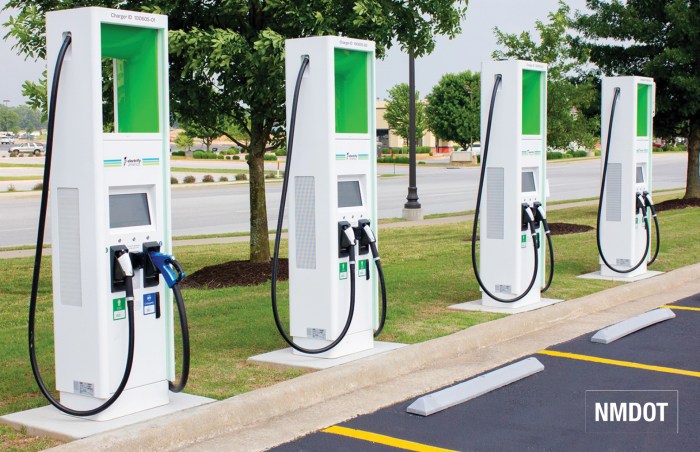
The difference in charging speeds between Level 1 and Level 2 chargers is significant. Level 1 chargers are convenient but slow, making them suitable for drivers who have ample time to charge overnight. In contrast, Level 2 chargers offer a much quicker turnaround and are more suited for daily use, especially for those with longer commutes.
Installation Requirements for Home Charging Stations
Installing a home charging station requires considering several factors:
- Electrical capacity: Ensure your home’s electrical system can handle the additional load.
- Location: Choose a convenient spot in your garage or driveway.
- Permits and regulations: Check local regulations to ensure compliance with safety codes.
Home Improvement and Electric Vehicle Charging
Integrating electric vehicle charging stations into your home improvement projects can enhance both functionality and convenience. When planning for EV charging, it’s essential to consider placement and the home’s electrical systems.
Integration into Home Improvement Projects
Incorporating charging stations during home renovations can be seamless:
- Install chargers in garages or carports to keep them sheltered and accessible.
- Design a dedicated area in your driveway for easy access and convenience.
Placement Considerations
The placement of charging stations plays a crucial role in usability:
- Ensure the charging unit is near your vehicle parking space to minimize cable length.
- Keep the area well-lit and easily accessible for safety.
Electrical System Support
It’s vital to ensure that your electrical system can support an EV charging setup, which may involve:
- Upgrading your electrical panel to accommodate the increased load.
- Consulting a licensed electrician to assess your home’s capacity.
Home Improvement Appliances and EV Charging
Smart home appliances are increasingly capable of working alongside electric vehicle charging, offering enhanced energy management and efficiency.
Smart Home Appliances
Many modern appliances can optimize energy use while charging your EV:
- Smart thermostats can adjust settings based on energy demand.
- Smart plugs can schedule charging during off-peak hours to save on energy costs.
Energy Management Systems
Energy management systems play a pivotal role in balancing home energy use with EV charging:
- Systems can prioritize charging during low-demand periods, reducing costs.
- They can also integrate with solar panels, allowing for renewable energy use.
Home Batteries and EV Charging
Home batteries can store energy for EV charging:
- They can store excess solar energy for later use.
- Batteries provide backup power during outages, ensuring your EV can always charge.
Home Improvement and Feng Shui
Incorporating Feng Shui principles into the positioning of electric vehicle charging stations can promote harmony in your home environment.
Positioning Charging Stations
The following Feng Shui considerations can enhance energy flow:
- Position charging stations in a way that avoids sharp angles from surrounding objects.
- Ensure the area remains clean and organized to promote positive energy.
Creating Harmonious Energy Flow
A proper layout can foster an inviting atmosphere:
- Avoid clutter around charging stations to maintain a peaceful environment.
- Incorporate plants nearby to enhance vitality and energy.
Design Ideas Incorporating Feng Shui
Consider these design ideas to harmonize EV charging needs with Feng Shui:
- Choose colors that evoke calm, such as greens and blues, for charging area decor.
- Use natural materials to create a sense of connection with the environment.
Green Living and Electric Vehicle Charging
Electric vehicle home charging offers significant environmental benefits, helping to reduce carbon footprints and promote sustainable living practices.
Environmental Benefits
Using electric vehicle home charging contributes to a greener planet:
- EVs produce zero tailpipe emissions, significantly reducing air pollution.
- Charging at home can utilize renewable energy, further lowering carbon emissions.
Utilizing Renewable Energy Sources
Integrating renewable energy into your EV charging setup can be accomplished through:
- Installing solar panels to power your home and charging station.
- Employing wind energy solutions where applicable.
Sustainable Living Practices
Charging electric vehicles at home promotes sustainable practices:
- Encouraging the use of cleaner energy sources leads to lower overall carbon footprints.
- EV charging can be part of a broader strategy to reduce household energy consumption.
Home Inspections and EV Charging
When installing electric vehicle charging stations, home inspections should include specific considerations to ensure compliance and safety.
Key Considerations for Home Inspections
During home inspections, focus on these aspects:
- Check the condition of electrical wiring to handle additional load from charging stations.
- Assess grounding and bonding to prevent electrical hazards.
Electric Systems Readiness
A thorough inspection of electrical systems can reveal readiness for EV charging:
- Look for adequate circuit capacity to support charging needs.
- Evaluate the load on existing circuits to ensure stability.
Compliance with Local Regulations
Adherence to local regulations is crucial:
- Research guidelines for installation and operation of home charging stations.
- Ensure compliance with any zoning laws that may impact installation.
Home Improvement Remodeling for EV Charging
Remodeling your garage or carport can effectively accommodate electric vehicle charging stations.
Steps to Remodel for EV Charging
Consider the following steps to remodel spaces for charging:
- Plan for adequate electrical supply routes to the charging station.
- Design the layout to prioritize efficient use of space.
Integrating Charging Stations into Existing Designs
Existing home designs can be adapted to include charging stations:
- Utilize wall space for mounted chargers to save floor area.
- Incorporate charging stations into cabinetry or built-ins for aesthetics.
Zoning Issues During Remodeling
Potential zoning issues may arise during the remodeling process:
- Understand local zoning laws affecting where charging stations can be placed.
- Consult with local authorities if changes to the property footprint are needed.
Tools and Equipment for EV Charging Installation
Installing a home charging station requires specific tools and equipment to ensure safety and functionality.
Essential Tools for DIY Installation
Here are the essential tools you’ll need:
- Drill and drill bits for mounting.
- Wire strippers for preparing electrical connections.
- Screwdrivers for securing the charger.
Step-by-Step Guide for Assembling a Home EV Charging Unit
To assemble your charging unit:
- Begin by selecting a suitable location and ensuring it’s accessible.
- Follow the manufacturer’s instructions for wiring and installation.
Safety Equipment and Precautions
Prioritize safety during installation:
- Wear gloves and goggles to protect against electrical hazards.
- Ensure the power is off before starting the installation process.
Home Improvement Security and EV Charging
Security is an essential aspect of electric vehicle charging stations to prevent theft or vandalism.
Importance of Security Measures
Securing your charging station is vital:
- Charging stations can be targets for theft, making security measures necessary.
- Installing cameras can deter potential vandalism and provide peace of mind.
Securing the Home Charging Setup
Implementing protective measures will enhance security:
- Utilize lockable charging cables to prevent unauthorized use.
- Install motion sensor lighting to illuminate the area during night hours.
Smart Home Security Systems
Smart home security can integrate with EV charging:
- Security systems can send alerts if unauthorized access is detected.
- Remote monitoring allows you to keep an eye on your charging station from anywhere.
Interior Design Considerations for EV Charging
Incorporating charging stations into stylish home designs can enhance the overall aesthetic while ensuring functionality.
Incorporating Charging Stations into Stylish Designs
Designing around charging stations can be both functional and attractive:
- Consider cabinetry that conceals chargers when not in use.
- Choose charging units with modern designs that fit your home decor.
Aesthetics of Visible Charging Units
Visible charging units can be styled to blend with your home:
- Use decorative covers or enclosures to minimize visual impact.
- Incorporate color schemes that match your interior design.
Design Choices that Harmonize with Home Decor
Creating a cohesive look is achievable with thoughtful design:
- Select charging units that complement existing home appliances and fixtures.
- Utilize accent lighting to draw attention to the charging area as a design feature.
Patio Deck and EV Charging
Designing an outdoor charging area on a patio or deck can extend the functionality of your home.
Designing an Outdoor Charging Area
When designing an outdoor charging area, consider:
- Choosing a location that is easily accessible and away from direct weather exposure.
- Integrating seating or landscaping to enhance the area’s aesthetic appeal.
Waterproofing Considerations
Protecting charging stations from weather elements is crucial:
- Utilize waterproof enclosures to safeguard against rain and moisture.
- Ensure all electrical connections are rated for outdoor use.
Landscaping Ideas for Outdoor EV Charging
Complement your outdoor charging setup with thoughtful landscaping:
- Plant shrubs or decorative grasses around the charging station to create a natural barrier.
- Incorporate lighting to highlight the area while ensuring safety during nighttime use.
Last Point
In summary, electric vehicle home charging not only facilitates a greener lifestyle but also enhances your home’s functionality. With the right knowledge and tools, you can seamlessly incorporate charging stations into your daily routine while embracing sustainable living practices. Thanks to advancements in technology, EV charging can be both efficient and stylish, providing a bright outlook for eco-friendly homeowners.
Clarifying Questions
What is the difference between Level 1 and Level 2 chargers?
Level 1 chargers use a standard 120-volt outlet and are slower, typically taking 8-12 hours to fully charge an EV. Level 2 chargers require a 240-volt outlet and can charge an EV in 4-6 hours.
Can I install a charging station myself?
While some homeowners can install a Level 1 charger themselves, Level 2 chargers usually require professional installation to ensure safety and compliance with local codes.
Are there any tax incentives for installing home charging stations?
Yes, various states and federal programs offer tax credits and rebates for installing electric vehicle charging stations at home, which can help offset installation costs.
What should I consider when positioning my charging station?
Key considerations include proximity to your EV parking location, ensuring easy access to the electrical panel, and factoring in any local zoning regulations.
Can I use solar energy to charge my electric vehicle?
Absolutely! Many homeowners pair solar energy systems with EV chargers to utilize renewable energy, further enhancing the sustainability of their home charging setup.


