
Exploring Interior lighting design reveals how crucial lighting is in transforming spaces, enhancing aesthetics, and improving overall ambiance. A well-thought-out lighting plan can elevate a room’s mood, stimulate productivity, and create inviting environments.
From cozy living rooms to functional kitchens, interior lighting serves not just a practical role but also a creative one. This topic dives into different lighting types, practical applications, and the integration of technology to showcase the endless possibilities in lighting design.
Importance of Interior Lighting Design
Lighting is an essential component of interior design that plays a critical role in enhancing the overall aesthetics of a space. The right lighting can transform a mundane room into a vibrant and inviting environment. It highlights architectural features, adds depth, and creates focal points, making spaces not only functional but also visually appealing. Additionally, lighting significantly impacts the mood and productivity of individuals in living spaces.
For example, bright, cool light can energize a workspace, while warm, soft lighting can create a cozy atmosphere in a living room.
Role of Lighting in Enhancing Interior Aesthetics
Different types of lighting can dramatically alter the perception of a room. For instance, pendant lights can provide a stylish focal point in a dining area, while wall sconces can add warmth and depth to hallways or living rooms. In bedrooms, layered lighting that includes bedside lamps, overhead fixtures, and accent lighting can create a peaceful retreat. By carefully selecting lighting fixtures and their placement, designers can highlight art pieces and architectural details, adding sophistication to the overall design.
Effect of Lighting on Mood and Productivity
Studies have shown that the quality of lighting can influence our emotional state and productivity levels. Natural light, for instance, is known to improve mood and increase focus. In contrast, overly dim or harsh artificial lighting can lead to discomfort and lower efficiency. Workspaces that incorporate ample natural light and adjustable artificial lighting options tend to foster a more productive environment.
In contrast, soft, warm lighting in relaxation areas can help individuals unwind and recharge.
Effective Lighting Design Examples in Different Rooms
Living Room
A combination of a statement chandelier, floor lamps, and recessed lighting can create a layered effect that suits various activities, from reading to entertaining.
Kitchen
Under-cabinet lighting not only illuminates countertops but also adds an elegant touch to the kitchen design, making preparation areas more functional and inviting.
Bathroom
Sconces flanking the mirror provide flattering light for grooming while enhancing the bathroom’s aesthetic appeal.
Types of Interior Lighting
Understanding the three main types of lighting—ambient, task, and accent—is key to achieving a balanced and functional lighting design in any space.
Ambient, Task, and Accent Lighting
Ambient Lighting
This is the general lighting that fills a room and provides overall illumination. It can be achieved through ceiling fixtures, chandeliers, or wall-mounted lights.
Task Lighting
Specifically designed to illuminate work areas, task lighting is essential for activities such as reading, cooking, or studying. Desk lamps and under-cabinet lights are examples of task lighting solutions.
Accent Lighting
Used to highlight specific features or create visual interest, accent lighting can showcase artwork or architectural elements. Track lighting or spotlights can be effective for this purpose.
LED vs. Incandescent Lighting in Interior Design
When considering lighting options, LED and incandescent bulbs offer distinct advantages and disadvantages. LED lights are energy-efficient, have a longer lifespan, and produce less heat compared to incandescent bulbs, making them a popular choice for modern interiors. However, incandescent bulbs provide a warm glow that many find appealing for residential settings. The choice between the two often depends on the desired ambiance and energy efficiency goals.
Incorporating Natural Light into Designs
Natural light is a valuable asset in interior design. Large windows, skylights, and open floor plans can maximize sunlight, creating bright and airy spaces. Using light-colored walls and reflective surfaces can further enhance the effects of natural light, allowing it to permeate deeper into rooms. Additionally, strategic placement of mirrors can help bounce light around, making smaller spaces feel larger and more inviting.
Home Improvement Appliances and Lighting
The integration of smart lighting appliances into home improvement projects is becoming increasingly popular, offering both convenience and energy savings.
Integration of Smart Lighting Appliances
Smart lighting systems allow homeowners to control their lighting remotely or through voice commands, enhancing the functionality of their living spaces. These systems can include features such as dimming, color-changing options, and scheduling, which can be particularly useful for creating specific moods or routines.
Energy-Efficient Lighting Appliances
Energy-efficient lighting appliances, such as LED bulbs and smart lighting systems, contribute to overall home efficiency. By reducing energy consumption, homeowners not only lower their electricity bills but also minimize their carbon footprint. This is an essential consideration for those looking to adopt greener living practices.
Choosing Appliances that Complement Interior Lighting Design
When selecting appliances, it’s essential to consider both functionality and aesthetics. Appliances should not only meet the practical needs of the household but should also harmonize with the overall interior design theme. This can include choosing finishes that match light fixtures or ensuring that appliance sizes are proportionate to the spaces they inhabit.
Lighting for Bath and Shower Areas
Bathrooms and shower areas require careful consideration when it comes to lighting, as these spaces have specific needs.
Specific Lighting Needs for Bathrooms and Showers
Good lighting in bathrooms is crucial for tasks such as grooming, applying makeup, and bathing. Ideally, lighting should be bright enough to illuminate these activities while still creating a relaxing atmosphere. A combination of overhead lighting and task lighting near mirrors is often the best approach.
Suitable Fixtures for Bathing Areas
Effective bathroom fixtures include LED recessed lights, wall sconces, and pendant lights. These options provide ample illumination while also enhancing the aesthetic of the space. It’s important to choose fixtures that are rated for use in wet or damp locations, especially in shower areas.
Importance of Waterproof Lighting Solutions
Waterproof lighting solutions are vital for safety and longevity in bathrooms. These fixtures are designed to withstand humidity and moisture, preventing damage and ensuring they function properly over time.
Cabinets and Lighting
Under-cabinet lighting can significantly enhance kitchen functionality and aesthetics, creating a more enjoyable cooking and dining experience.
Under-Cabinet Lighting Enhancing Functionality
Under-cabinet lighting effectively illuminates countertops, making it easier to prep meals. This type of lighting also adds a visual element to the kitchen, creating a warm and inviting atmosphere.
Styles of Cabinet Lighting
Different styles of cabinet lighting can transform a kitchen space. Options include:
Puck Lights
Small, round lights that can be placed strategically under cabinets to provide focused illumination.
Strip Lighting
Flexible LED strips can be installed along the underside of cabinets for even light distribution.
Rail Lights
Mounted on a rail, these can be adjusted to highlight specific areas or features within the kitchen.
Integrating Lighting into Cabinetry Designs
When designing cabinetry, it’s essential to consider where lighting will be placed. Incorporating lighting into cabinetry can enhance both functionality and design. For example, glass-front cabinets can be illuminated to showcase beautiful dishware or collectibles, while closed cabinets can benefit from light that turns on when the doors are opened.
Cleaning Tips for Lighting Fixtures
Maintaining the cleanliness of lighting fixtures is crucial for ensuring optimal performance and longevity.
Effective Cleaning Methods for Different Types of Light Fixtures
Different fixtures require various cleaning methods to avoid damage. For example:
Glass Fixtures
Use a mixture of warm water and mild detergent with a microfiber cloth to clean glass surfaces without leaving streaks.
Metal Fixtures
Wipe metal fixtures with a damp cloth to remove dust, and use a polish specifically designed for the metal type for a shiny finish.
Plastic Fixtures
Plastic can be cleaned with warm soapy water, but ensure to dry them thoroughly to avoid water spots.
Tools Required for Maintaining Lighting Quality
Essential tools for maintaining lighting quality include:
- Microfiber cloths for dusting and polishing.
- Soft-bristled brushes for reaching tight spaces.
- A step ladder for safely accessing high fixtures.
Routine Lighting Maintenance Checklist
- Dust fixtures monthly to prevent buildup.
- Check bulbs regularly and replace burnt-out ones promptly.
- Inspect wiring and connections for signs of wear or damage.
- Ensure dimmer switches and smart systems are functioning correctly.
Concrete and Lighting Design
Concrete surfaces can greatly influence lighting choices and design strategies.
Influence of Concrete Surfaces on Lighting Choices
Concrete can absorb and reflect light in unique ways, affecting how spaces are illuminated. The use of warm-toned lighting can soften the harshness of concrete, creating a more inviting atmosphere.
Lighting that Complements Concrete Aesthetics
Warm LED lighting, pendant fixtures with industrial designs, and strategically placed spotlights are excellent choices for complementing the raw texture of concrete. These options enhance the material’s natural qualities while adding visual interest.
Illuminating Outdoor Concrete Spaces
Outdoor concrete spaces, such as patios or driveways, can be illuminated with bollard lights, in-ground LED lights, or string lights. These options not only provide safety but also create a welcoming environment for outdoor gatherings.
Feng Shui and Lighting
The principles of Feng Shui emphasize the importance of light in creating harmonious living spaces.
Principles of Feng Shui Relating to Lighting
In Feng Shui, natural light is considered vital for promoting positive energy flow. Adequate lighting can enhance energy levels and overall well-being in a home.
Design Strategies Incorporating Natural and Artificial Light
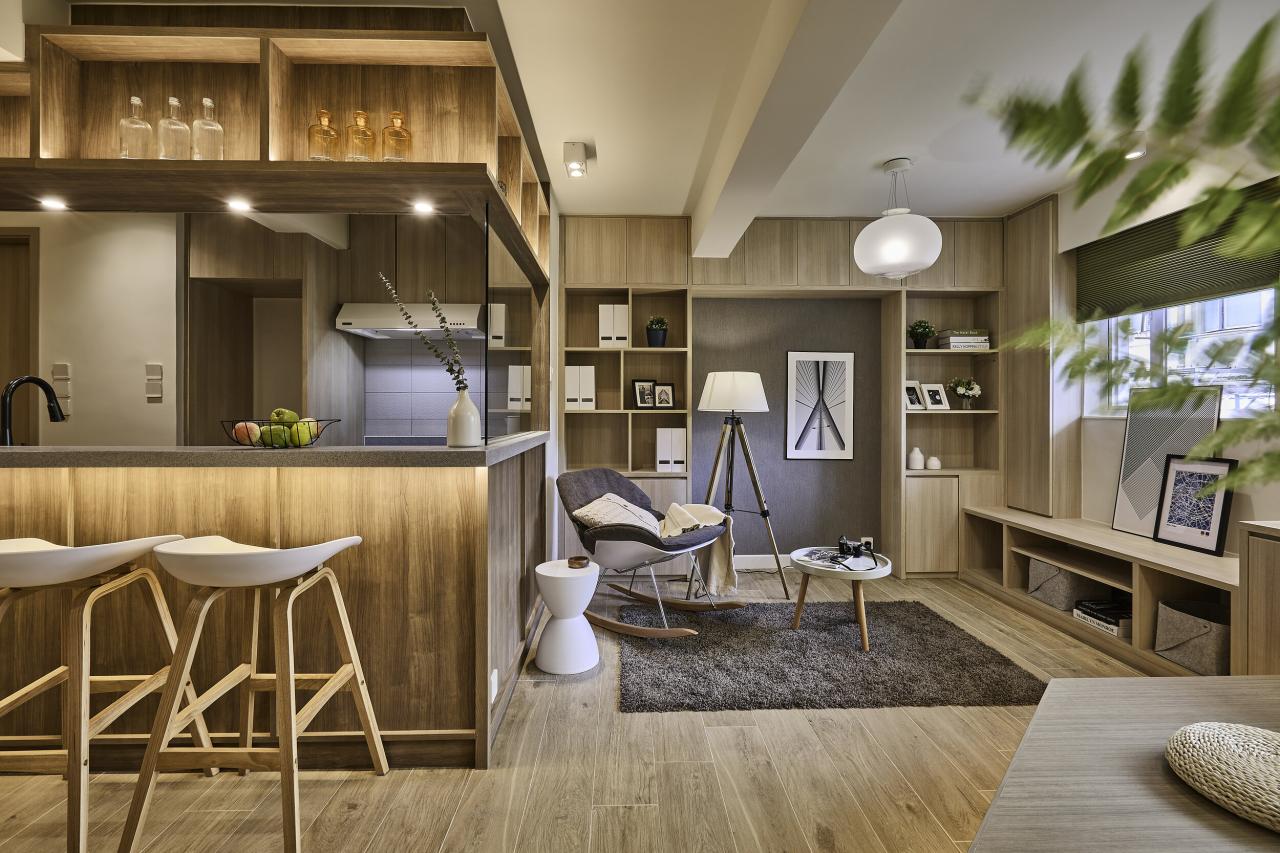
Balancing natural and artificial lighting is essential in Feng Shui. Design strategies may include maximizing window placements for natural light while incorporating soft, warm artificial lighting to create a harmonious balance that promotes relaxation and comfort.
Significance of Light Placement in Feng Shui Practices
In Feng Shui, the placement of light fixtures is critical. For instance, lighting should not be directly over beds or seating areas, as this could create discomfort. Instead, light sources should be positioned to promote a sense of safety and comfort.
Flooring and Lighting Design
The relationship between flooring materials and lighting choices is pivotal in achieving a cohesive design.
How Different Flooring Materials Affect Lighting Choices
Flooring materials, such as hardwood, tile, or carpet, can influence how light is reflected in a room. Light-colored floors tend to brighten a space and amplify natural light, while dark floors can absorb light, creating a cozier atmosphere.
Pairing Flooring Types with Suitable Lighting Solutions
Hardwood Flooring
Warm-toned lighting can enhance the natural grain and color of wood, creating a rich and inviting environment.
Tile Flooring
Cool, bright lighting works well with tiles to accentuate their texture and colors.
Carpeted Floors
Soft, diffused lighting can create a warm and comfortable space, making it perfect for bedrooms and living rooms.
Enhancing Ambiance through Flooring and Lighting Synergy
Combining flooring and lighting strategically can enhance the overall ambiance of a room. For example, using accent lighting to highlight an area rug can create a visual focal point and add warmth to the space.
Furniture Arrangement and Lighting
The layout of furniture can significantly impact the effectiveness of lighting design.
How Furniture Layout Impacts Lighting Design
Furniture placement should consider the distribution of light throughout the room. For example, positioning a sofa away from windows can block natural light, while arranging furniture around a central light source can create a balanced and inviting environment.
Optimizing Light Distribution with Furniture Placement
To optimize light distribution, consider using multi-functional furniture that allows for flexible arrangements. Additionally, placing mirrors strategically can help reflect light and brighten darker areas of the room.
Examples of Furniture Styles that Work Well with Specific Lighting Designs
Minimalist Furniture
Pairs well with sleek, modern lighting for a clean and open feel.
Vintage or Rustic Furniture
Complements warm, ambient lighting to enhance the space’s character.
Contemporary Furniture
Works with bold, statement lighting that adds a touch of drama to the decor.
Green Living and Sustainable Lighting
Sustainable lighting solutions are becoming increasingly important for eco-conscious homeowners.
Importance of Sustainable Lighting Solutions
Opting for sustainable lighting options not only reduces energy consumption but also lowers utility costs and contributes to a healthier planet. Eco-friendly solutions often involve energy-efficient bulbs, solar-powered lights, and smart lighting technologies.
Examples of Green Lighting Products
LED Bulbs
Long-lasting and energy-efficient, LED bulbs reduce electricity use significantly compared to traditional incandescent bulbs.
Solar Outdoor Lights
Utilizing solar energy, these lights provide illumination without increasing electricity bills.
Smart Lighting Systems
Allow for energy monitoring and remote control, helping homeowners reduce energy waste.
Methods for Reducing Energy Consumption with Smart Lighting
To maximize energy efficiency, consider:
Dimming Controls
Adjusting brightness based on the time of day can reduce energy usage.
Automated Schedules
Programming lights to turn on and off at specific times ensures they are only in use when needed.
Occupancy Sensors
These sensors turn lights off when a room is unoccupied, minimizing unnecessary energy consumption.
Home Inspections and Lighting Compliance
Lighting plays a crucial role in home inspections, ensuring safety and compliance with regulations.
Role of Lighting in Home Inspections
During home inspections, lighting is evaluated to ensure it meets safety standards. Inspectors check for adequate illumination, proper installation, and compliance with local building codes.
Common Lighting-Related Issues Found During Inspections
Common issues can include:
- Burnt-out bulbs or fixtures that do not function.
- Wiring problems that pose safety hazards.
- Insufficient lighting in critical areas, such as stairways or hallways.
Tips for Ensuring Lighting Meets Safety Regulations
Homeowners can ensure their lighting complies with safety regulations by:
- Regularly checking and replacing burnt-out bulbs.
- Hiring a licensed electrician for any wiring or fixture installations.
- Installing sufficient lighting in all high-traffic areas to prevent accidents.
House Plans and Lighting Integration
Incorporating lighting into house plans is essential for creating functional and aesthetically pleasing spaces.
Significance of Incorporating Lighting into House Plans
When designing a home, it’s vital to consider how lighting will be integrated into the overall layout. This foresight ensures that each room has adequate illumination for its intended use while enhancing architectural features.
Architectural Designs That Enhance Lighting Flow
Open-concept designs often benefit from natural light flow, making large windows and skylights an excellent choice. Additionally, strategically placed light fixtures can help direct light through the space.
Planning Lighting in New Constructions and Renovations
In new constructions, planning for lighting should happen early in the design process to avoid costly modifications. For renovations, consider retrofitting existing spaces with modern lighting solutions that align with the updated design aesthetic.
Interior Design and Decorating with Lighting
Lighting is a key element in conveying various interior design themes.
Lighting’s Role in Interior Design Themes
Different design styles, such as modern, traditional, or industrial, utilize lighting in distinct ways to complement overall aesthetics. For example, pendant lights may enhance a minimalist design, while ornate chandeliers suit more traditional spaces.
Examples of Lighting that Complement Various Decorating Styles
Modern Design
Sleek, geometric pendant lights emphasize simplicity and sophistication.
Traditional Design
Classic chandeliers and sconces add elegance and warmth to a space.
Industrial Design
Edison bulbs and exposed fixtures enhance the raw, unfinished look characteristic of this style.
Impact of Color Temperature on Design Aesthetics
Color temperature affects the ambiance of a room. Warm light (around 2700K) creates a cozy and inviting atmosphere, while cooler light (above 4000K) is ideal for areas requiring focus and clarity, such as home offices.
Patio Deck Lighting Solutions
Choosing the right lighting for patio decks can enhance outdoor living spaces significantly.
Suitable Lighting Designs for Patio Decks
Consider options such as string lights for a casual vibe, solar lanterns for eco-friendly illumination, or recessed lighting for a sleek look. Each option can create a different atmosphere suitable for various outdoor activities.
Safety Considerations for Outdoor Lighting
Outdoor lighting must be strategically placed to ensure safety and security. Pathway lights, for example, can prevent accidents by illuminating walkways, while motion-activated lights can deter intruders.
Creating an Inviting Outdoor Atmosphere with Lighting
Layering different types of outdoor lighting can create a welcoming environment for gatherings. Combining ambient lighting with task lighting for cooking areas and accent lights for landscaping can create a magical outdoor retreat.
Remodeling and Upgrading Lighting
Remodeling projects provide an excellent opportunity to upgrade lighting to enhance both functionality and aesthetics.
Guide on Upgrading Lighting During Home Remodeling Projects
When upgrading lighting during renovations, consider the following:
- Evaluate current lighting and identify areas that need improvement.
- Choose energy-efficient options to reduce long-term costs.
- Incorporate smart technology for added convenience.
Latest Trends in Lighting Design for Modern Homes
Current trends include the use of bold, statement fixtures, integrated smart lighting systems, and the incorporation of natural materials in lighting design. Minimalist designs with clean lines and warm light are also gaining popularity.
Examples of Successful Lighting Remodels
- A kitchen remodel that incorporates pendant lighting over an island, enhancing both functionality and style.
- A living room transformation with recessed lighting and floor lamps to create a layered lighting effect that suits various activities.
Roofing and Skylights
Roofing choices can significantly influence the amount of natural light in a home, especially through skylights.
Influence of Roofing Choices on Natural Lighting
Selecting the right roofing materials and styles can enhance the amount of natural light entering a home. For instance, a sloped roof with strategically placed skylights can maximize sunlight in upper-level rooms.
Selecting Skylights that Enhance Interior Lighting
When choosing skylights, consider factors such as size, orientation, and glazing options. Properly placed skylights can brighten spaces and provide ventilation, enhancing the overall living experience.
Benefits of Incorporating Natural Light into Upper Levels of Homes
Natural light in upper levels can reduce reliance on artificial lighting, improving energy efficiency. It can also enhance the mood and well-being of inhabitants, creating a more pleasant living environment.
Home Security and Lighting
Outdoor lighting plays a vital role in enhancing home security.
Outdoor Lighting Enhancing Home Security
Well-lit outdoor spaces deter potential intruders and increase safety for residents. Strategic placement of lighting around entryways, garages, and pathways can improve visibility and security.
Importance of Motion Sensors and Automated Lighting
Motion-activated lights provide an added layer of security by illuminating areas when movement is detected. Automated lighting systems can simulate occupancy, further enhancing home security when residents are away.
Strategic Placement of Security Lighting
Placing security lighting at key points, such as entryways and dark corners, can significantly improve safety. Floodlights and spotlights are effective choices for illuminating large areas, while path lights enhance visibility along walkways.
Storage Garage Lighting
Proper lighting in storage garages is essential for functionality and safety.
Lighting Requirements for Effective Garage Storage
Garages require bright, well-distributed lighting to facilitate organization and safety. Overhead lights paired with task lighting in work areas can create an efficient workspace.
Options for Illuminating Workspaces within Garages
Consider using LED shop lights for bright, energy-efficient lighting in workspaces. Task lights or portable work lights can provide focused illumination for detailed projects.
Tips for Energy-Efficient Garage Lighting Solutions
To maximize energy efficiency, choose LED fixtures and consider installing timers or motion sensors to ensure lights are only on when needed.
Swimming Pools and Spas Lighting
Lighting options for swimming pools and spas enhance both safety and ambiance.
Lighting Options for Enhancing Swimming Pool and Spa Areas
Underwater lights add a stunning visual element to pools, while pathway lights improve safety around the area. Floating lights can create a magical atmosphere for evening swims.
Importance of Underwater Lighting and Safety Measures
Underwater lighting not only enhances aesthetics but also ensures safety by clearly marking pool boundaries. Additionally, using GFCI-protected circuits is crucial to prevent electrical hazards.
Creative Lighting Designs for Outdoor Water Features
Consider using color-changing LED lights to highlight outdoor water features, creating an enchanting atmosphere. Fountains and ponds can also benefit from strategically placed lighting to accentuate movement and reflections.
Tools and Equipment for Lighting Installation
Having the right tools for lighting installation is essential for achieving a professional finish.
Essential Tools for Installing and Maintaining Lighting Fixtures
Key tools include a drill, screwdriver, wire stripper, and voltage tester. These tools ensure that fixtures are installed correctly and safely.
Guide on Safety Equipment Needed for Lighting Projects
Safety equipment such as gloves, goggles, and a sturdy ladder is essential when working with fixtures at height or dealing with electrical components. Ensuring proper safety precautions can prevent accidents.
Tips for Selecting High-Quality Lighting Installation Tools
When choosing installation tools, look for trusted brands and read reviews to ensure quality and reliability. Investing in durable tools will save time and money in the long run.
Home Improvement Windows and Natural Light
Window design plays a crucial role in maximizing natural light in interiors.
Impact of Window Design on Natural Light in Interiors
Larger windows or strategically placed openings can significantly increase the amount of natural light entering a home. Choosing the right window styles can enhance both functionality and aesthetics.
Maximizing Light Through Window Treatments
Opt for sheer or light-colored window treatments that allow natural light to filter through while maintaining privacy. Avoid heavy drapes that can block sunlight, especially in key areas like living rooms and kitchens.
Window Styles That Enhance Natural Illumination
Casement Windows
These windows can be opened fully to maximize airflow and light.
Picture Windows
Large, fixed windows that offer unobstructed views of the outdoors while allowing ample light.
Skylights
Ideal for rooms without sufficient wall space for windows, skylights can introduce natural light from above.
Conclusive Thoughts
In conclusion, mastering Interior lighting design can significantly impact how spaces are perceived and experienced. By understanding the various types of lighting, their applications, and the latest trends, anyone can create an environment that is not only functional but also emotionally resonant.
Question & Answer Hub
What are the main types of interior lighting?
The three main types of interior lighting are ambient, task, and accent lighting, each serving a unique purpose in illuminating spaces.
How can I use natural light in my interior design?
Natural light can be maximized by choosing the right window treatments, positioning mirrors strategically, and using skylights to enhance illumination.
What are some energy-efficient lighting options?
LED lighting is a popular energy-efficient option, consuming less electricity and having a longer lifespan compared to traditional incandescent bulbs.
How does lighting affect mood in a room?
Lighting influences mood by affecting the perceived warmth or coolness of a space; softer, warmer lights create a cozy atmosphere, while brighter, cooler lights can enhance focus and productivity.
What should I consider when choosing lighting fixtures?
Consider the style of your space, the purpose of the room, the type of lighting needed, and the energy efficiency of the fixtures.


