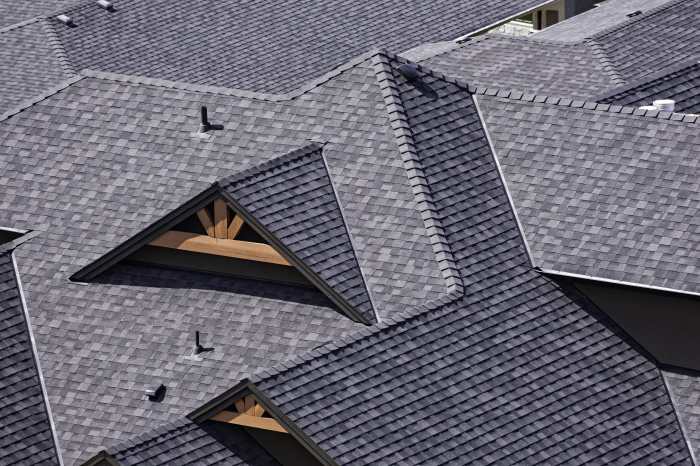
Roof ventilation smart sensors set the stage for this enthralling narrative, offering readers a glimpse into a story that is rich in detail and brimming with originality from the outset. These innovative devices are designed to optimize the airflow in homes, ensuring both energy efficiency and enhanced indoor air quality.
By integrating advanced technology into traditional ventilation systems, smart sensors provide homeowners with a contemporary solution to common ventilation issues. Their ability to monitor and adjust ventilation conditions automatically makes them an essential component of modern home design, promoting comfort and sustainability.
Introduction to Roof Ventilation Smart Sensors
In recent years, roof ventilation smart sensors have gained significant attention among homeowners looking to enhance their living environments. These advanced devices are designed to improve roof ventilation systems, playing a crucial role in maintaining optimal air quality and energy efficiency in homes. By utilizing cutting-edge technology, smart sensors continuously monitor and adjust ventilation as needed, ensuring that your home remains comfortable and healthy.The technology behind these smart sensors involves a combination of sensors, data analytics, and wireless communication.
They detect various environmental factors, such as temperature, humidity, and air pressure, and make real-time adjustments to your ventilation system. This not only enhances energy efficiency but also reduces the risk of mold and structural damage caused by poor ventilation. Integrating smart sensors into your home ventilation solutions offers numerous benefits, including energy savings, improved indoor air quality, and better climate control.
Importance of Roof Ventilation
Roof ventilation plays a vital role in maintaining energy efficiency within a home. Proper ventilation allows for the flow of fresh air, which helps regulate temperature and moisture levels, ultimately reducing heating and cooling costs. By allowing warm, humid air to escape, homeowners can prevent overheating in the summer and ice dam formation during the winter, both of which can lead to costly repairs.Proper roof ventilation not only enhances energy efficiency but also extends the lifespan of roofing materials.
For instance, maintaining consistent airflow prevents moisture buildup, which can deteriorate roofing materials over time. Additionally, a well-ventilated attic can help preserve insulation effectiveness, further contributing to energy savings.Beyond energy efficiency and material longevity, roof ventilation significantly impacts indoor air quality and comfort levels. Adequate ventilation reduces indoor pollutants and allergens, creating a healthier living environment. Homeowners often report improved comfort and well-being when their homes are equipped with effective ventilation systems.
Home Improvement and Roof Ventilation
Roof ventilation smart sensors are an integral part of home improvement projects, enhancing the overall functionality and comfort of residential spaces. In addition to their primary role in air circulation, these sensors can be part of a comprehensive system that includes heating, cooling, and air purification solutions.Some essential home improvement appliances that work synergistically with smart sensors include:
- Smart thermostats that adjust heating and cooling based on ventilation data.
- Air purifiers equipped with sensors to optimize air quality.
- Smart windows that can open or close in response to ventilation needs.
- Dehumidifiers that work alongside ventilation systems to manage moisture levels.
When comparing traditional ventilation methods to modern smart sensor technologies, the advantages of smart systems become clear. Traditional systems often rely on passive airflow, which can be inconsistent and inefficient. In contrast, smart sensors provide dynamic, responsive ventilation, ensuring that homes remain comfortable year-round while optimizing energy usage.
Related Home Improvement Areas
Roof ventilation is not only crucial for maintaining a healthy home environment; it also interacts with various other home improvement areas. For example, proper ventilation plays an essential role in bath and shower improvements. Adequate airflow in these spaces helps prevent moisture buildup, reducing the risk of mold growth and ensuring a healthier bathroom environment.In home improvement cabinetry, ventilation is just as critical.
Well-ventilated cabinetry can prevent the accumulation of humidity, which can damage stored items and promote the growth of mold. Thus, integrating ventilation into cabinet design is essential for preserving both aesthetics and functionality.To maintain the efficiency of roof ventilation systems, homeowners should adopt simple cleaning practices:
- Regularly inspect and clean vents to remove debris.
- Ensure that surrounding trees are trimmed to prevent obstruction.
- Check for signs of mold or moisture buildup in the attic space.
Feng Shui and Roof Ventilation
Roof ventilation can harmonize with feng shui principles, which emphasize the flow of energy or “Chi” in residential spaces. Proper airflow not only enhances comfort but also aligns with the belief that open spaces invite positive energy. Ensuring that your home has adequate ventilation contributes to a balanced and harmonious living environment.The relationship between airflow and feng shui is significant.
In feng shui, airflow is crucial for promoting a sense of well-being and tranquility. Homes with stagnant air can feel oppressive, while those with good ventilation tend to foster a more lively and positive atmosphere.Design strategies that incorporate roof ventilation and feng shui aesthetics include:
- Positioning vents to facilitate a natural flow of air throughout the home.
- Using materials and colors that promote comfort and calmness.
- Incorporating open spaces and layouts that allow for unobstructed air movement.
Sustainable Living with Smart Sensors
Roof ventilation smart sensors play a pivotal role in promoting green living practices by enhancing the energy efficiency of homes. These sensors help homeowners identify inefficiencies in their ventilation systems, leading to more sustainable living environments. By optimizing airflow, smart sensors reduce reliance on heating and cooling systems, which in turn lowers energy consumption.Energy-efficient home inspections increasingly include assessments of ventilation systems.
Such inspections help identify areas for improvement, ensuring that homes utilize energy-saving practices. Investing in smart sensors not only contributes to lower energy bills but also supports a more environmentally friendly lifestyle.The advantages of using smart sensors in roof designs for sustainability are numerous. They:
- Reduce energy costs through optimized ventilation.
- Minimize the environmental impact by decreasing energy consumption.
- Promote healthier living spaces through improved air quality.
Integration with Home Inspections and House Plans
During home inspections, roof ventilation smart sensors are assessed for their functionality and integration within the overall ventilation system. Inspectors evaluate how effectively these sensors are working to maintain optimal air quality and energy efficiency.When considering house plans, it’s essential to include design considerations for roof ventilation systems. Homeowners should think about:
- The placement of vents to optimize air circulation throughout the home.
- Incorporating smart sensors that can monitor and adjust ventilation as needed.
- Ensuring that the design of the roof allows for adequate airflow and vent placement.
To aid in the incorporation of smart sensors in new construction or renovations, a helpful checklist might include:
- Assessing the location of potential vents and sensors.
- Planning for electrical access to power smart sensors.
- Integrating sensor data into the home’s smart home system for seamless management.
Innovations in Interior Design
Modern interior design approaches increasingly incorporate effective roof ventilation solutions. These designs prioritize not only aesthetics but also functionality, ensuring that living spaces are comfortable and healthy. One innovative approach is creating open-plan living areas that enhance airflow while maintaining a sleek, contemporary look.Ventilation can also influence the choice of flooring and furniture materials. For example, using materials that are resistant to moisture can complement a well-ventilated environment and prevent damage.
Additionally, furniture layouts can be designed to promote airflow, enhancing overall comfort.Balancing aesthetics and functionality in roof ventilation designs means considering both appearance and performance. Homeowners can achieve this by:
- Choosing stylish vent covers that blend with the interior design.
- Incorporating ventilation into architectural features, such as skylights.
- Ensuring that air circulation does not compromise the overall design aesthetic.
Outdoor Living Spaces
Roof ventilation is equally significant in outdoor living spaces, such as patios and decks. Adequate ventilation helps maintain comfortable temperatures and air quality, allowing homeowners to enjoy these areas year-round. Proper airflow will prevent heat buildup, making outdoor spaces more inviting, especially during warm months.Ventilation also affects swimming pools and spas. Ensuring that these areas have proper airflow can help manage humidity, enhancing the overall experience.
Additionally, well-ventilated outdoor spaces reduce the risk of mold and mildew, protecting both the structure and the health of those using them.Integrating smart sensors into outdoor furniture can further enhance comfort. Sensors can monitor temperature and humidity levels, allowing homeowners to adjust their outdoor environment in real-time, creating a more enjoyable experience.
Security and Roof Ventilation
Roof ventilation plays a role in home improvement security systems by ensuring that areas are well-aired and monitored. Proper ventilation reduces the risk of mold and home damage, which can compromise the integrity of security features in a home.Several smart sensors enhance both ventilation and security. For instance, motion sensors can be integrated with ventilation systems to automatically adjust airflow based on occupancy, ensuring that fresh air circulates when needed.
This dual functionality not only improves air quality but also enhances home security.Proper ventilation is essential in preventing mold and structural damage. By maintaining a balanced indoor environment, homeowners can reduce the likelihood of costly repairs related to moisture-related issues, thus bolstering the longevity and effectiveness of their security systems.
Tools and Equipment for Installation
To install roof ventilation smart sensors efficiently, several tools and equipment are necessary. Key tools include:
- Drills for making precise holes for vent installation.
- Wire strippers for connecting sensor wiring.
- Level and measuring tape to ensure proper alignment.
- Safety gear, such as goggles and gloves, for protection during installation.
For DIY enthusiasts, following a step-by-step procedure for installing roof ventilation systems is critical. Steps may include:
- Identifying the optimal locations for vents and sensors.
- Preparing the roof structure for installation.
- Connecting the sensors to the home’s electrical system.
- Testing the system to ensure proper functionality.
Maintenance tools that aid in the upkeep of ventilation systems include vacuum cleaners for debris removal and basic hand tools for any adjustments or repairs needed over time.
Future Trends in Roof Ventilation Technology
Emerging technologies in roof ventilation and smart sensor development are pushing the boundaries of home improvement. Innovations may include enhanced AI algorithms that predict ventilation needs based on weather patterns and occupancy levels, making homes smarter and more energy-efficient.Potential advancements in roof ventilation may significantly impact home improvement trends. For instance, the integration of solar-powered ventilation systems is on the rise, contributing to sustainable living practices while reducing energy costs.Predictions for the integration of smart sensors in future home designs suggest a shift towards fully automated environments.
Homes equipped with comprehensive smart systems will likely manage ventilation alongside other elements such as lighting and security, creating seamless, energy-efficient living spaces for homeowners.
Last Point
In conclusion, roof ventilation smart sensors represent a significant leap forward in home ventilation technology, blending efficiency with user-friendly design. As we continue to prioritize sustainability and comfort in our living spaces, these smart sensors will undoubtedly play a pivotal role in shaping the homes of the future.
Commonly Asked Questions
What are roof ventilation smart sensors?
Roof ventilation smart sensors are devices that monitor and regulate airflow in roofing systems to enhance energy efficiency and indoor air quality.
How do smart sensors improve energy efficiency?
They automatically adjust ventilation based on environmental conditions, reducing energy waste and optimizing heating and cooling processes.
Can I install roof ventilation smart sensors myself?
While DIY installation is possible, it’s recommended to consult a professional for optimal performance and integration with existing systems.
Do these sensors contribute to home security?
Yes, some smart sensors can be integrated with security systems to monitor conditions that may lead to mold or damage, enhancing overall home safety.
Are roof ventilation smart sensors suitable for all home designs?
While they are versatile, it’s best to evaluate your specific home structure and ventilation needs to determine compatibility.


